
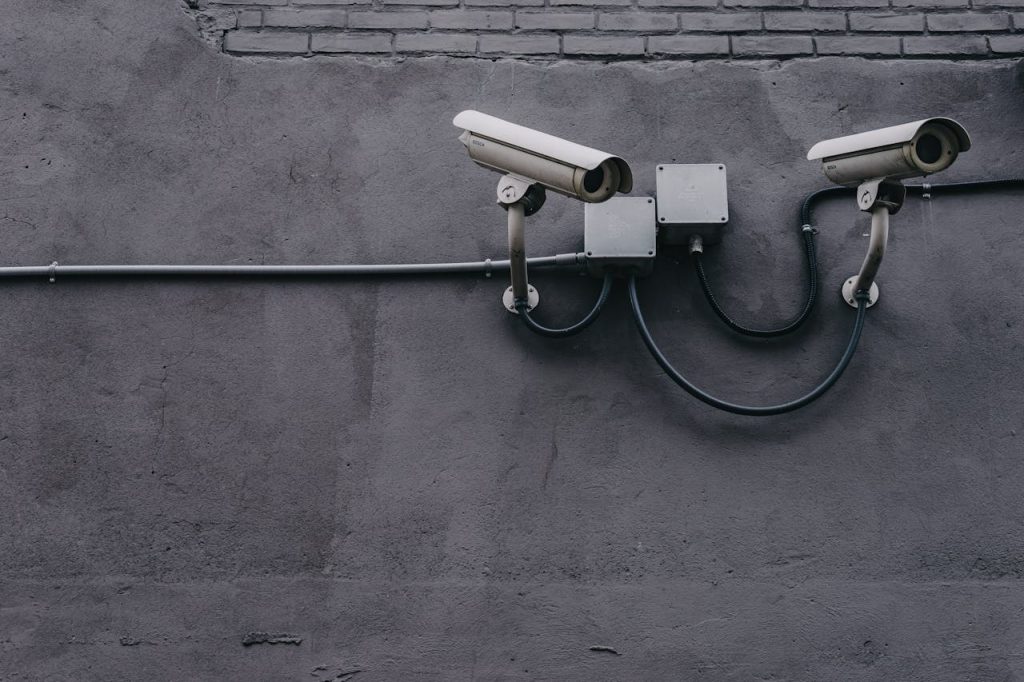
Quick summary — what happened and why it matters: Anthropic AI safety is now a public stance: the San Francisco startup behind the Claude family has refused some domestic-surveillance and law-enforcement requests and is pushing for stricter deployment rules. That position — part of recent Anthropic AI news — puts the company at odds with parts of the U.S. government and highlights a widening split in how the AI industry balances growth with responsibility.
What happened? (facts, timeline, announcement details)
- Reporting shows Anthropic declined certain government requests to use its Claude models for domestic surveillance and law-enforcement purposes. This is a concrete example of Anthropic AI safety in action.
- CEO Dario Amodei (Dario Amodei Anthropic) publicly criticized overly broad regulation while supporting targeted safety measures and transparency standards.
- Despite political friction, Anthropic reports international hiring and enterprise growth for the Anthropic Claude models — signaling that a safety-first stance can coexist with commercial expansion.
Why this matters (impact on AI research, business, society)
- Policy vs. practice: Anthropic’s refusal to permit certain surveillance uses forces policymakers to confront how real-world deployment choices affect civil liberties. This is central to contemporary AI industry regulation debates.
- Civil liberties and trust: Limits on surveillance uses shape public trust in artificial intelligence and determine whether AI serves people or becomes an opaque tool for monitoring.
- Market signal: Anthropic’s growth suggests Anthropic AI safety can be a competitive differentiator — enterprises and governments may prefer vendors who demonstrate robust safeguards for model deployment.
Who’s involved? (companies, researchers, governments)
- Anthropic: Developer of the Claude family; publicly framing itself as a safety-forward player. (Keywords: Anthropic Claude models, Anthropic AI news.)
- U.S. federal government / White House: Reportedly pushing for broader access to advanced models for strategic or law-enforcement reasons, which clashes with Anthropic’s deployment limits.
- Researchers & civil-society groups: Academics and privacy advocates are watching closely; their assessments will shape both regulation and public opinion.
- Enterprises & international clients: Companies buying LLM services will decide whether they value a safety-first vendor.
Expert perspective (non-attributed roles to avoid fabrication)
- An independent AI policy researcher: “Companies setting clear red lines for surveillance usage can nudge policy toward more careful systems design, but only if procurement and customers reward that behavior.”
- A privacy-focused technologist: “Refusing surveillance use is a concrete step toward protecting civil liberties. It reframes the debate from abstract regulation to enforceable vendor commitments.”
Wider context (connect to current AI trends)
Anthropic’s stance fits a broader movement in the AI industry: following a rapid commercialization phase, more firms are emphasizing governance, red-teaming, and user-facing controls. At the same time, governments are debating incentives for speed versus safety — a debate that shows up in AI industry regulation proposals worldwide. This story is a clear instance of AI safety vs surveillance tensions playing out in public.
Analysis — potential implications
- Regulatory friction will rise. Expect sharper public clashes as federal policy and state-level experiments collide; Anthropic could be cited by both safety advocates and critics.
- Commercial diversification. Firms that limit certain domestic uses may accelerate international and enterprise growth where customers prefer safety-first vendors.
- Market for “trusted” AI. Companies that can prove audits, enforceable use restrictions, and transparent development processes may capture customers who prioritize risk management.
SEO & LLM optimization notes (what I changed)
- Primary keyword: Anthropic AI safety is now in the H1 and the first paragraph (first 70 words).
- Secondary keywords used naturally across headings and body: Anthropic Claude models, Anthropic AI news, AI industry regulation, AI safety vs surveillance, Dario Amodei Anthropic.
- LLM-friendly structure: short paragraphs, clear headings, and a FAQ section to improve snippet and structured-data chances.
- Synonyms & variants added (e.g., “Claude models,” “safety-first,” “surveillance use cases,” “deployment limits”) to help semantic matching for LLMs and search engines.
Key takeaways
- Anthropic is publicly positioning itself as a safety-first AI vendor — that posture conflicts with some government priorities but may win trust from enterprises and civil-rights groups.
- The dispute highlights a broader industry inflection point between rapid deployment and societal risk management.
- Commercial evidence so far suggests safety-focused policies and business growth can coexist — but political costs are real.
Let’s Talk!
Frequently Asked Questions: Anthropic AI Safety
What is Anthropic AI safety?
Anthropic AI safety refers to the company’s commitment to building artificial intelligence systems that prioritize civil liberties, transparency, and responsible deployment. Recently, Anthropic refused requests to use its Claude models for domestic surveillance and law enforcement, showing how these principles apply in practice.
Why did Anthropic refuse government surveillance requests?
The company, led by CEO Dario Amodei, believes surveillance use cases can threaten civil liberties and erode public trust in AI. By setting red lines, Anthropic is pushing for AI systems to serve people, not as tools for mass monitoring.
How does Anthropic’s stance affect AI industry regulation?
Anthropic’s refusal highlights a tension between rapid AI deployment and societal safeguards. It forces policymakers to consider how real-world choices impact rights, and it may influence upcoming AI regulation debates in the U.S. and globally.
Does this position hurt Anthropic’s business?
So far, no. Anthropic reports international hiring and enterprise growth for its Claude models, showing that a safety-first stance can coexist with commercial expansion. In fact, some enterprises may prefer working with trusted AI vendors.
What does this mean for everyday users of AI?
For individuals and businesses, Anthropic’s safety-first stance helps build trust that advanced models like Claude are being deployed responsibly, without hidden surveillance risks.
Sourse: (https://gizmodo.com/anthropic-wants-to-be-the-one-good-ai-company-in-trumps-america-2000660193)
Sourse: (https://www.reuters.com/business/retail-consumer/anthropic-ceo-says-proposed-10-year-ban-state-ai-regulation-too-blunt-nyt-op-ed-2025-06-05/)
Sourse: (https://www.reuters.com/business/world-at-work/anthropic-triple-international-workforce-ai-models-drive-growth-outside-us-2025-09-26/)
Sourse: (https://apnews.com/article/9643064e847a5e88ef6ee8b620b3a44c)